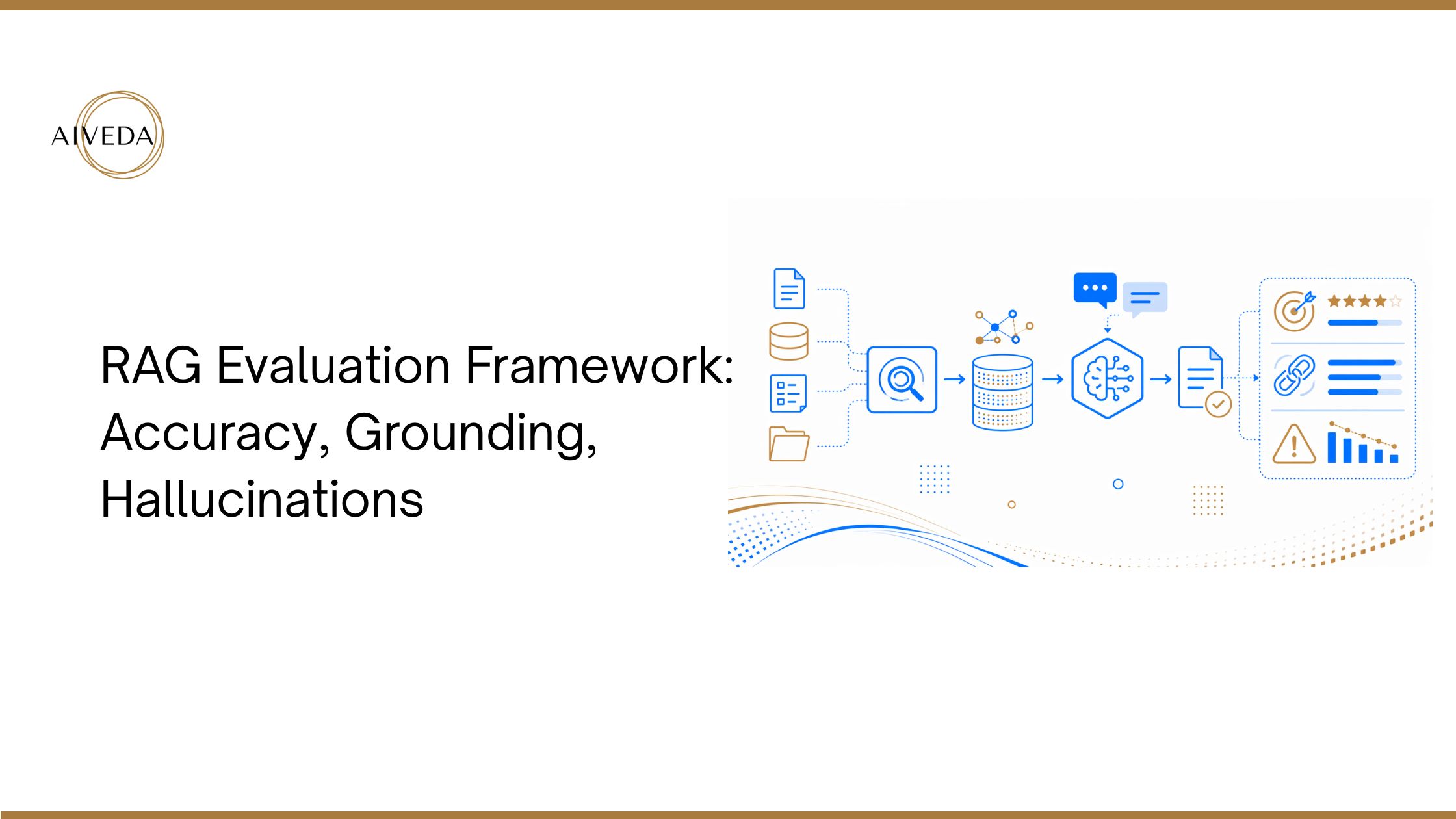
Retrieval-augmented generation-powered AI systems are revolutionising the way companies access and utilise data. However, these algorithms may produce erroneous or deceptive results without a robust framework for rag evaluation. Evaluation becomes crucial at that point. A well-thought-out rag evaluation strategy ensures that your system delivers dependable, accurate, and grounded responses. It reduces risks like hallucinations …
Blog
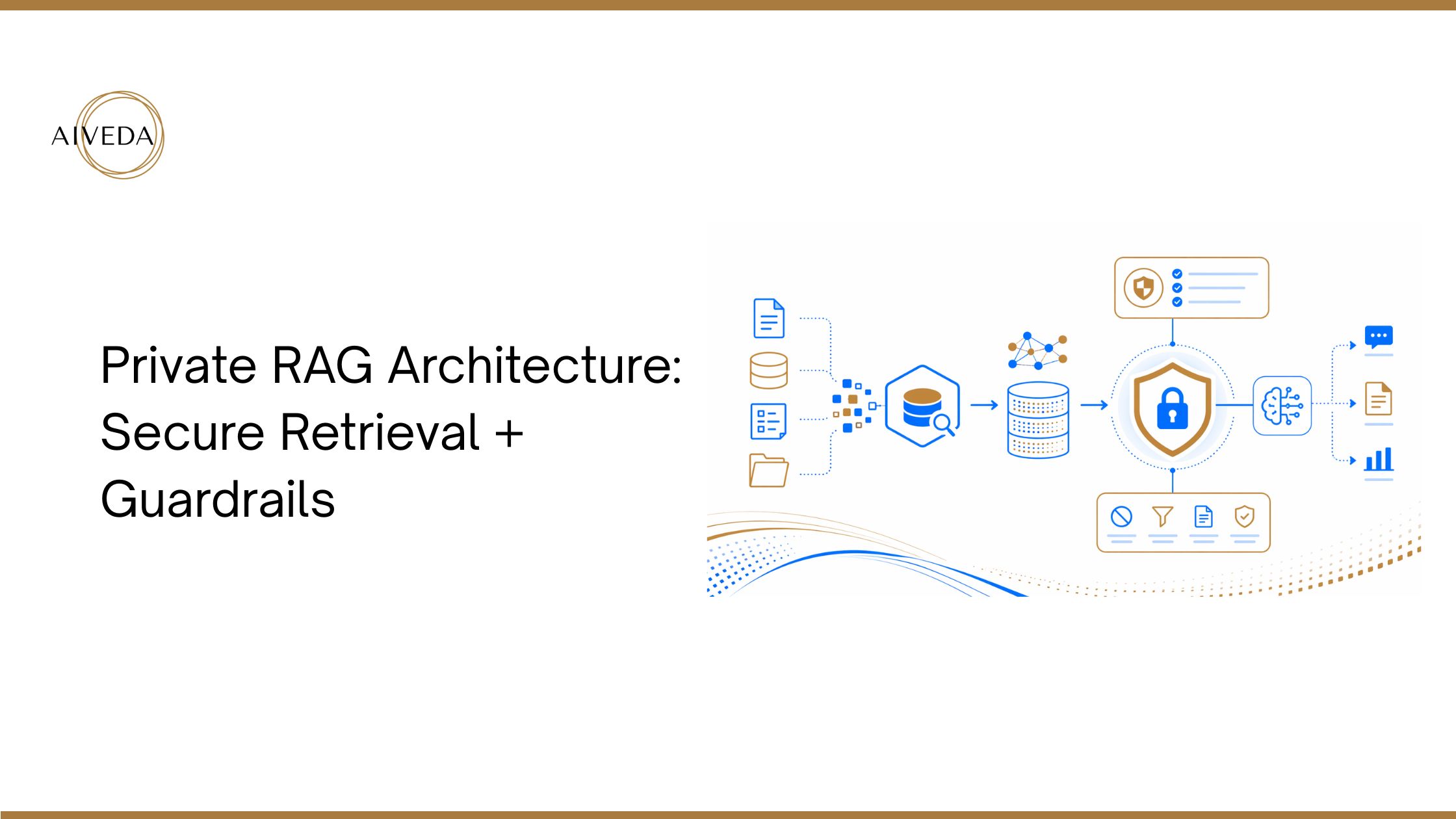
Data security is still the main topic of conversation in boardrooms as businesses quickly embrace AI. Large language models have strong capabilities, but their frequent reliance on external APIs raises issues with data leakage and compliance problems. Private RAG Architecture becomes crucial in this situation. Businesses can harness AI capabilities without jeopardising critical data by …
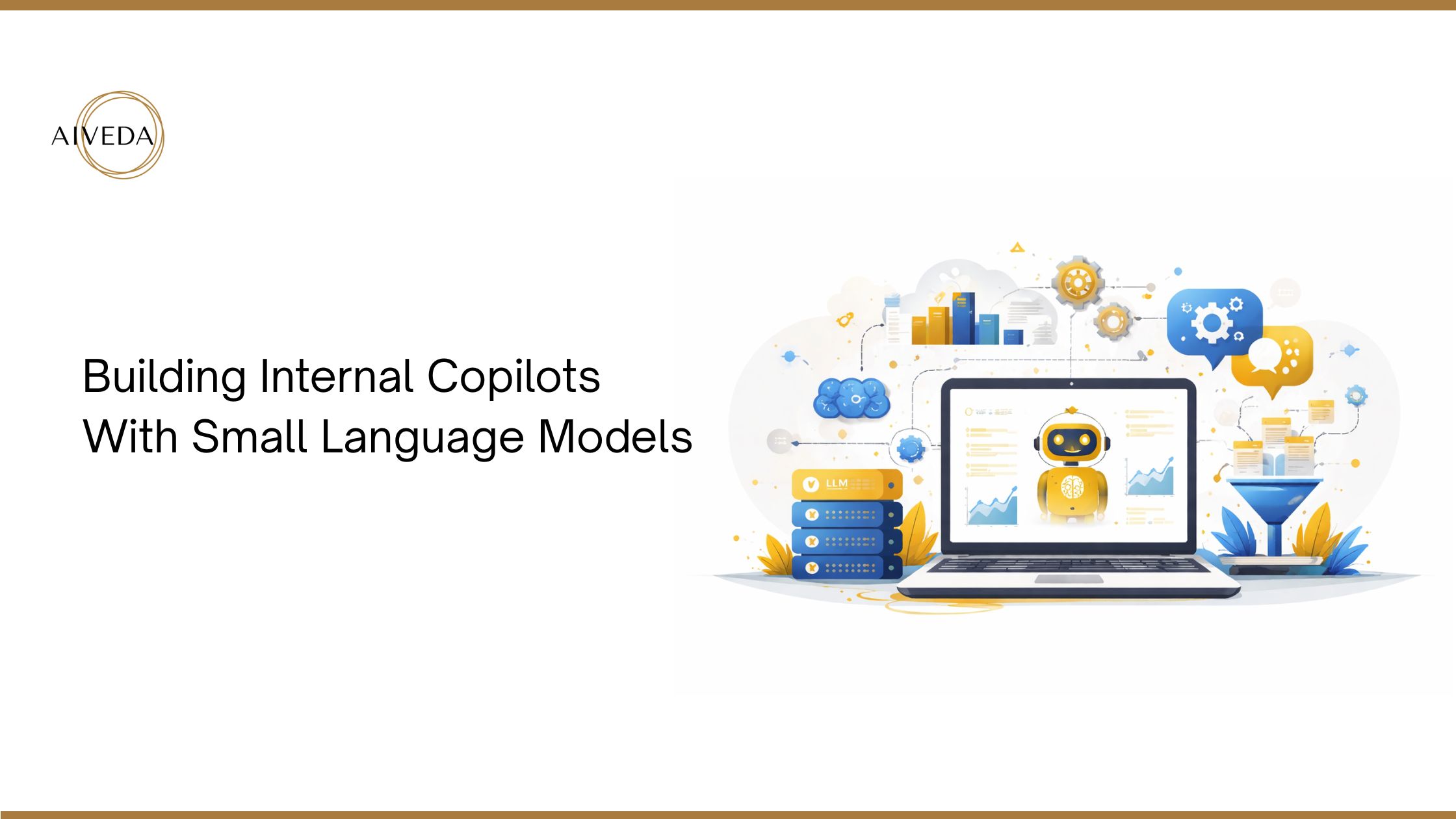
What if your team could make quicker decisions, automate tedious activities, and obtain the appropriate information without having to switch tools? Internal AI copilots are making this possible for contemporary businesses. The gap between data and action keeps widening as businesses grow. When it comes to customisation, security, and real-time relevance, traditional technologies and even …
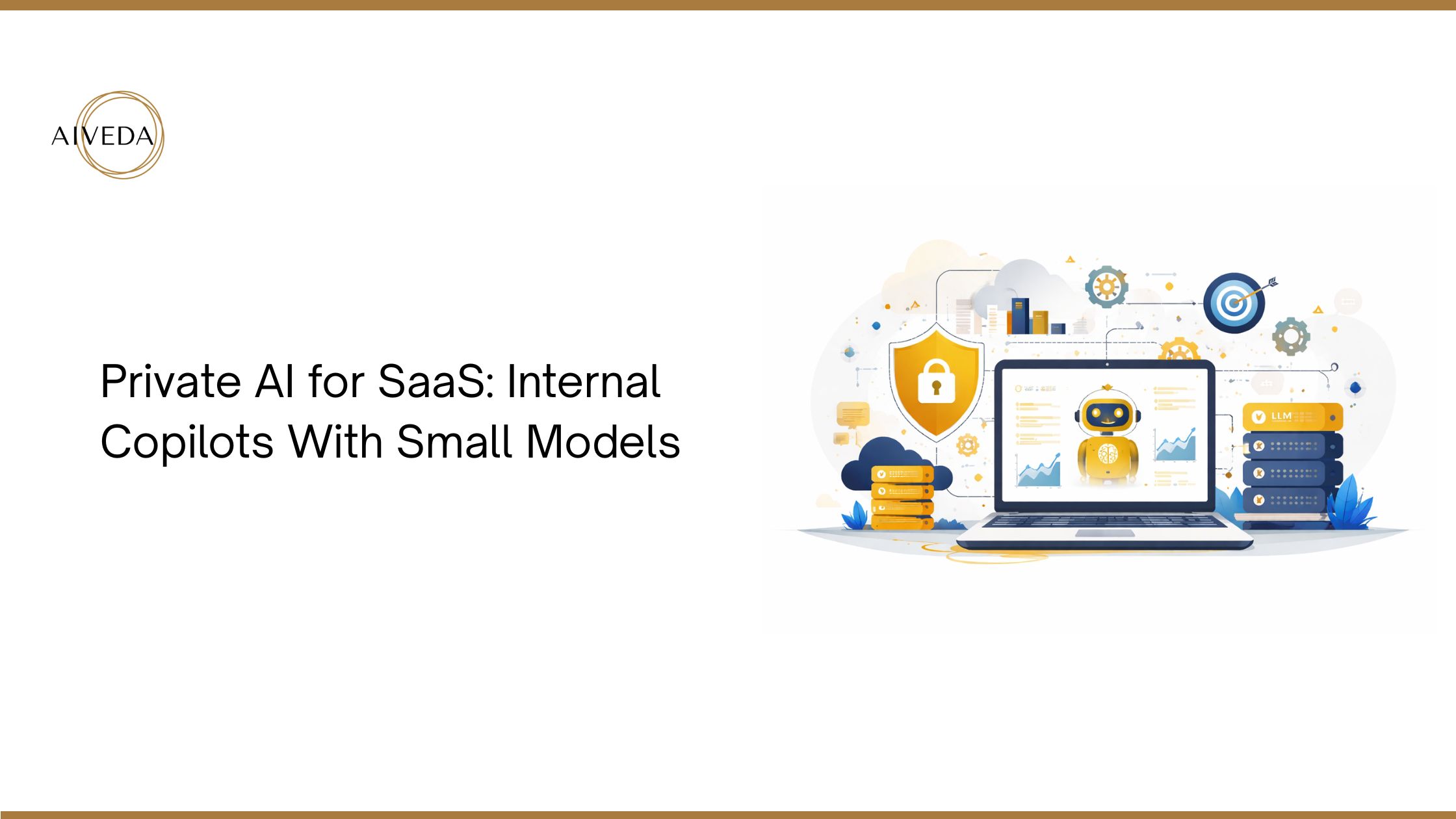
AI’s quick uptake in SaaS platforms has completely changed how companies run, automate, and grow. But this innovation also raises an increasing number of concerns about data control and privacy. Private AI for SaaS becomes crucial in this situation. Organisations are now moving toward safe, internally deployed solutions rather than depending on public AI APIs …
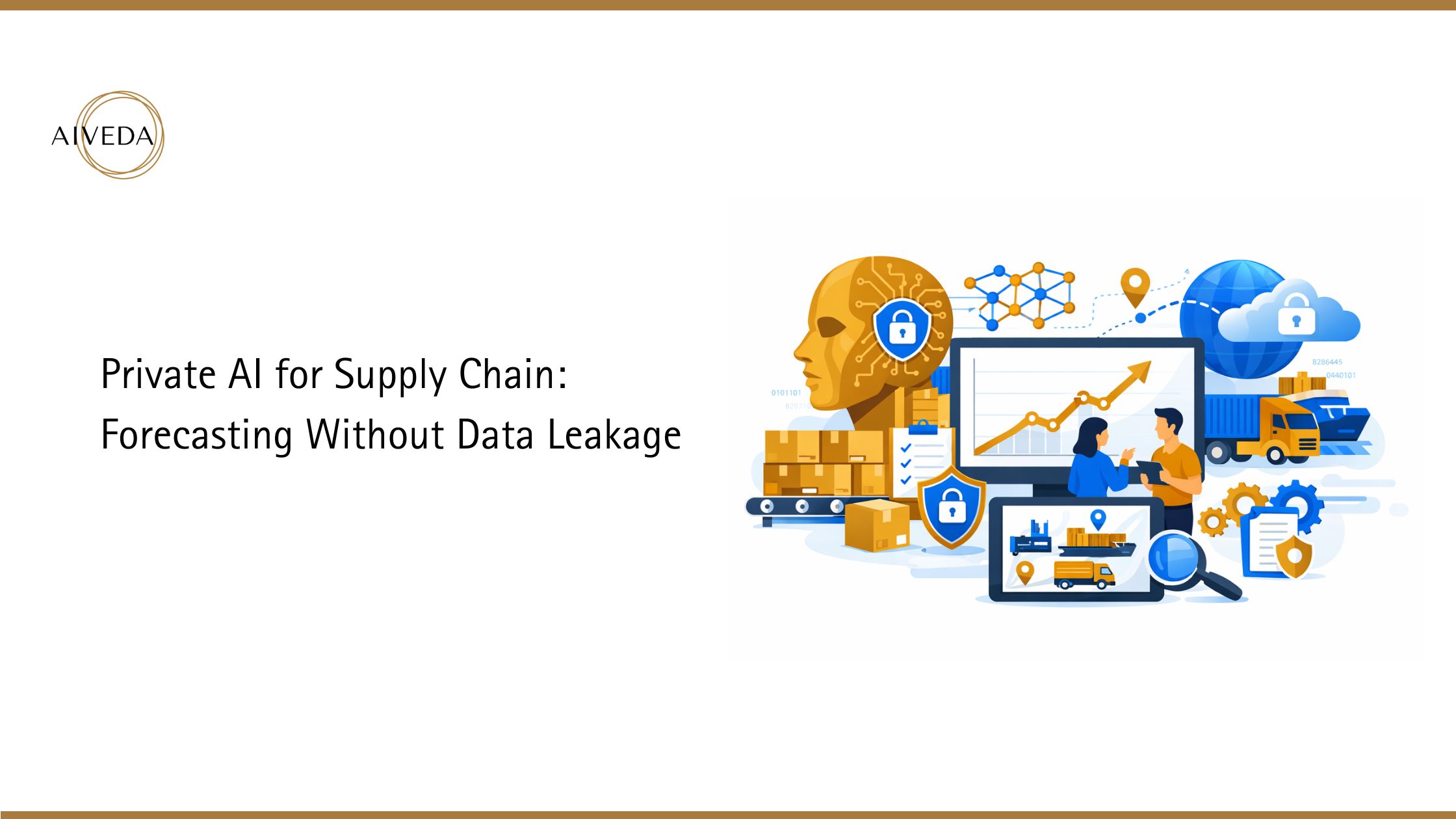
Supply chains have always been complicated, but the challenge executives face today is fundamentally different. Even as interruptions continue to increase, they are expected to move more quickly, operate more efficiently, and manage risk in real time. The supply chain sector has been experimenting with AI and machine learning for years in an effort to …
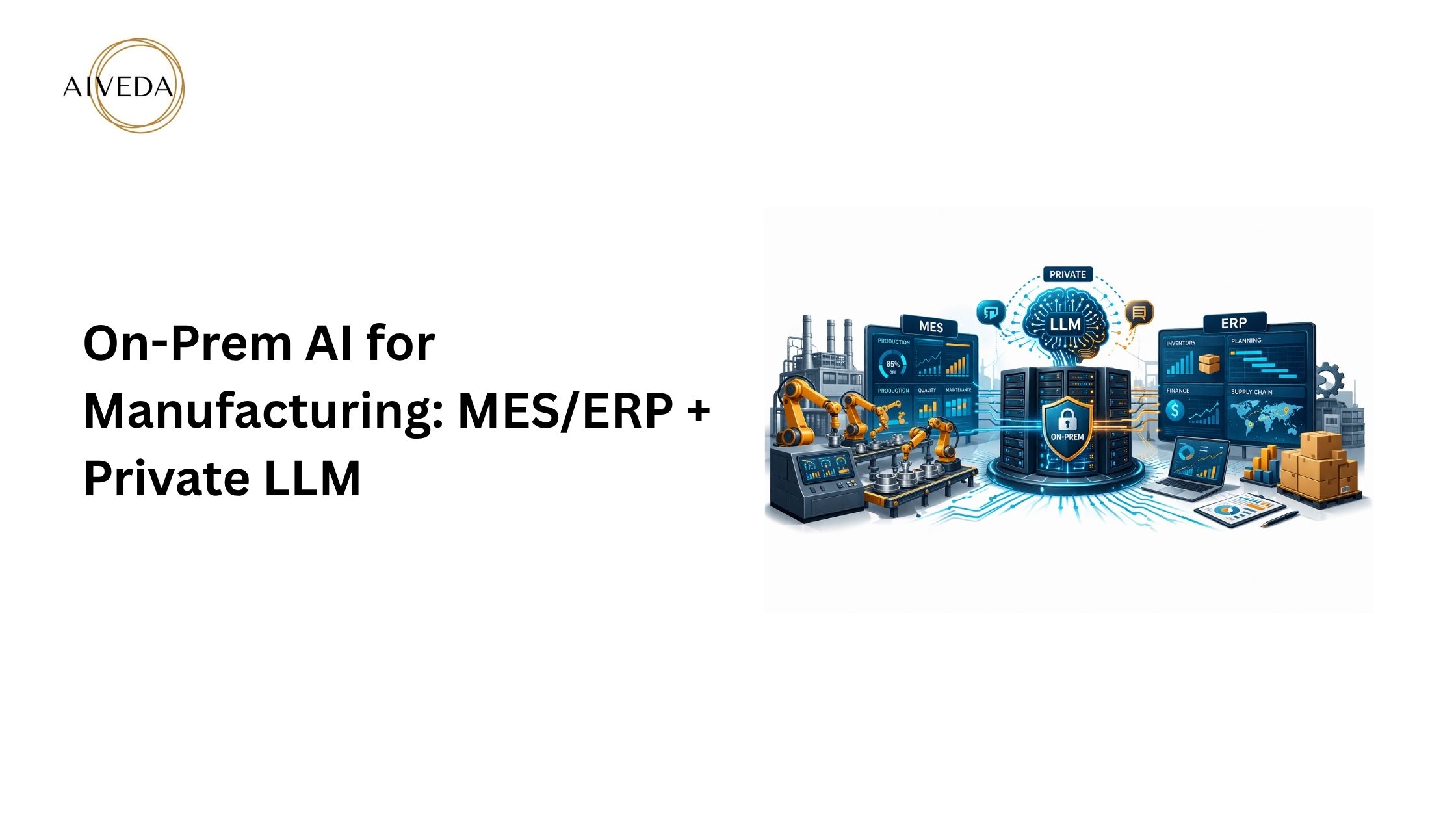
Efficiency, robustness, and real-time decision-making are driving a rapid digital transition in manufacturing. Many manufacturers are realising that cloud-only solutions are inadequate in terms of data control, latency, and security, even though AI has emerged as a crucial enabler. On-premise AI for Manufacturing becomes essential in this situation. On-Premise AI for Manufacturing enables businesses to …
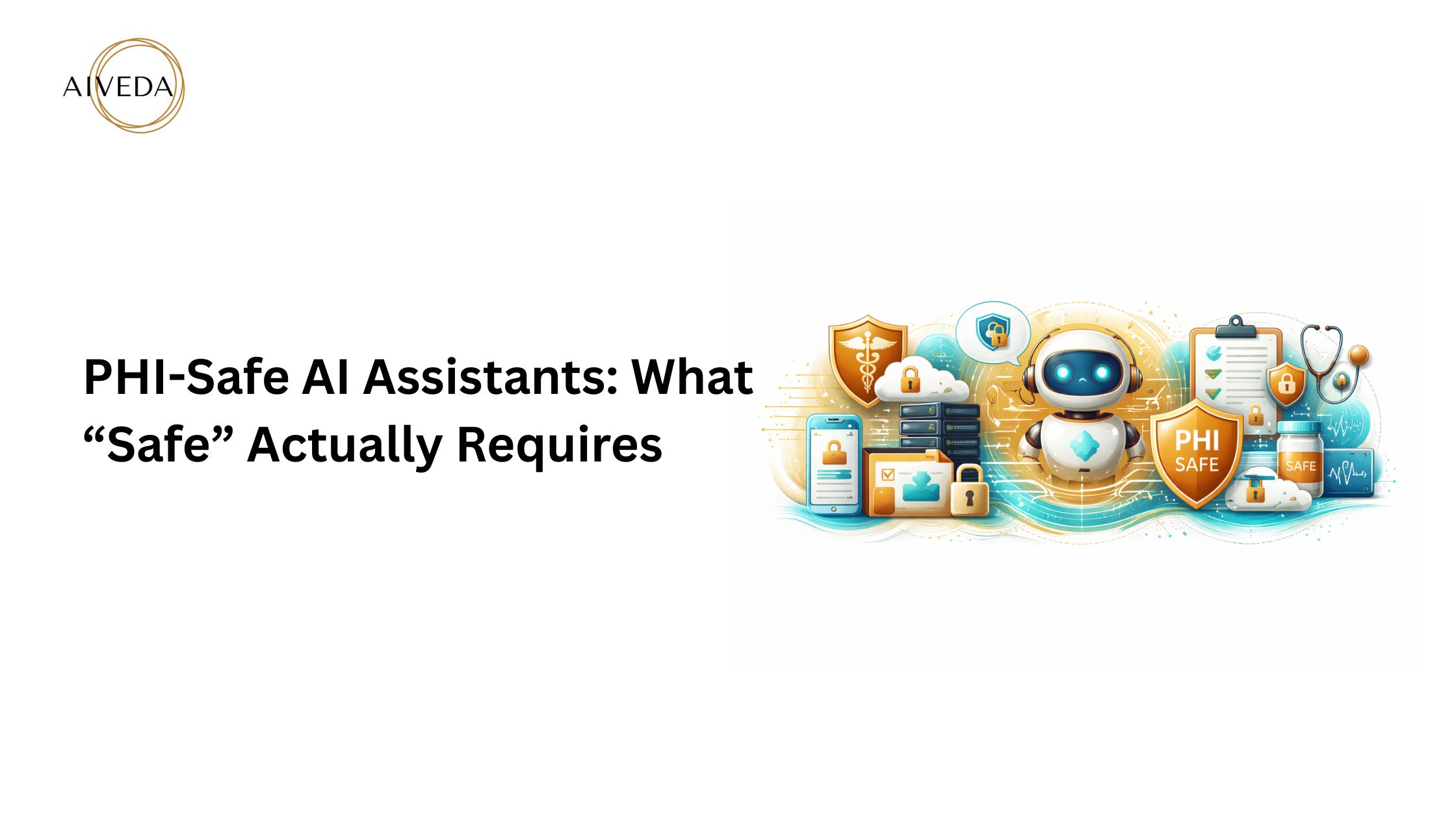
Healthcare organisations are quick to implement AI to improve productivity, patient involvement, and clinical outcomes. But this change also entails a crucial duty: safeguarding private patient information. PHI Safe AI Assistants are crucial in this situation. Healthcare-focused AI solutions, to generic AI tools, must maintain performance and usability while strictly adhering to data protection regulations. …
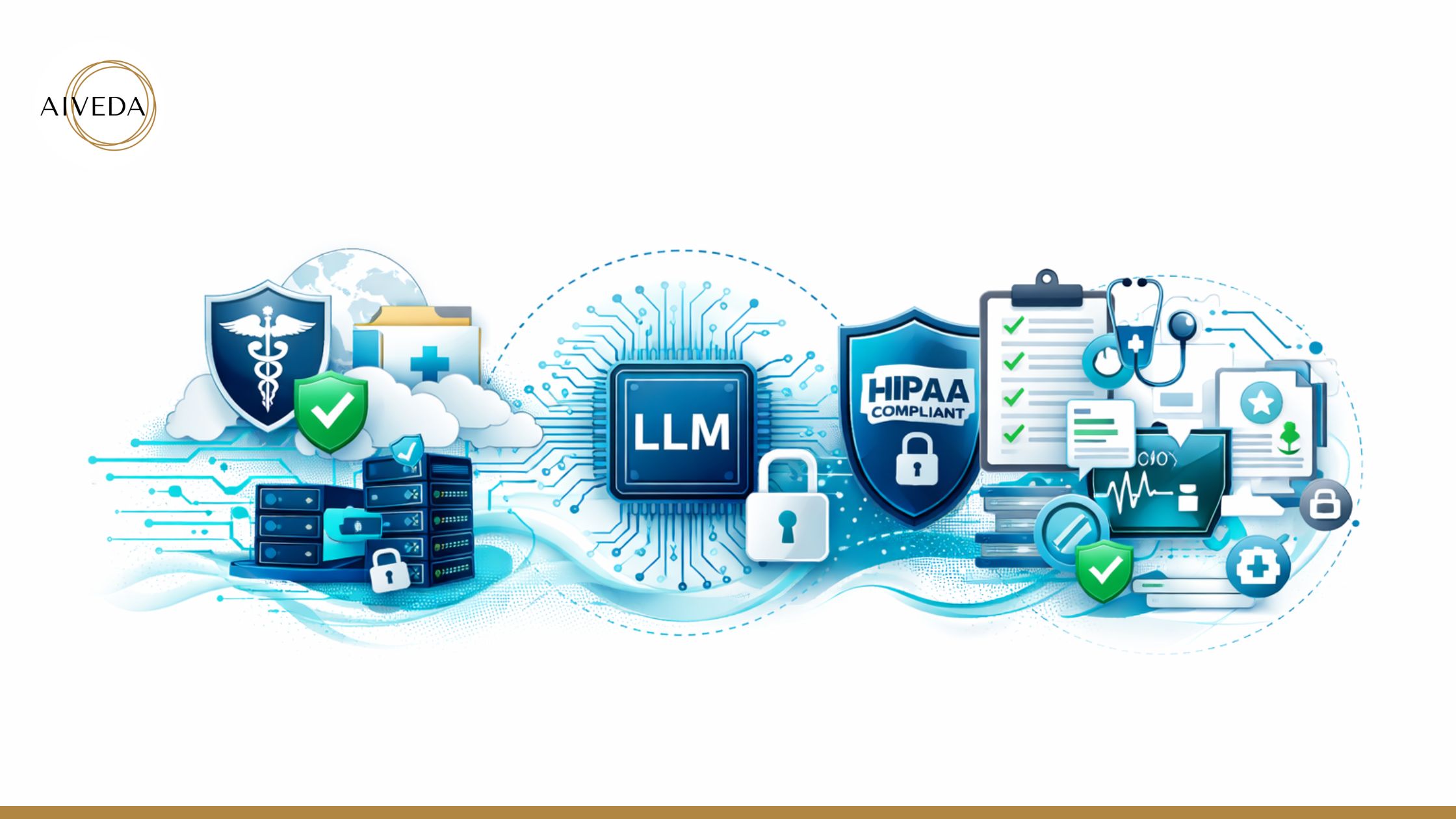
Healthcare is rapidly adopting Private AI to enhance operational workflows, patient outcomes, and efficiency. From clinical documentation to patient engagement, AI is transforming how care is delivered. But this change also entails a crucial duty: safeguarding private patient information. Healthcare data breaches remain among the most costly, according to industry studies, making compliance with laws …
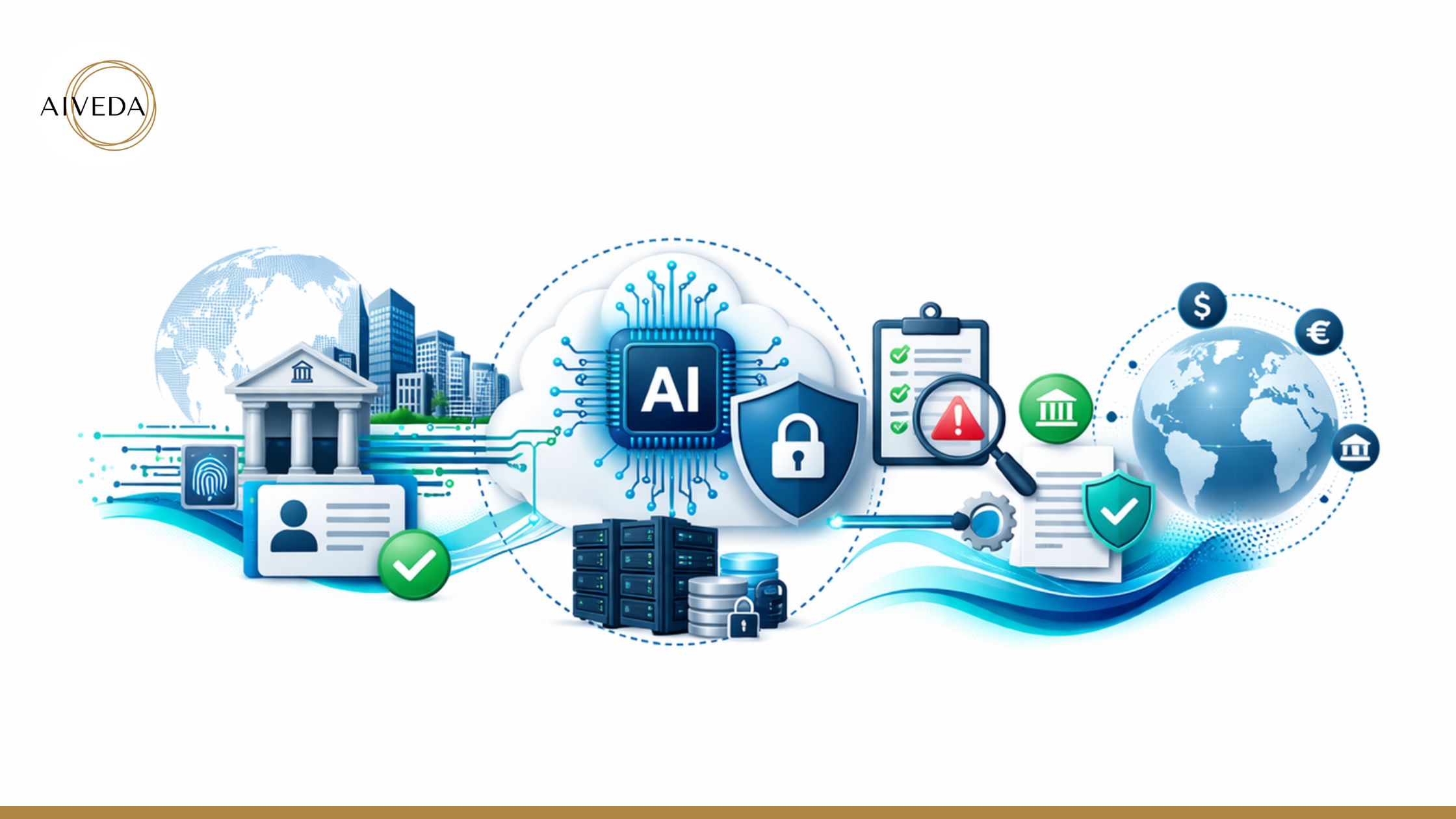
Today, financial institutions are under increasing pressure to improve compliance while cutting expenses. Stricter laws and an increase in financial crime have caused global compliance expenses to rise by more than 60% over the past ten years, according to industry reports. Due to their heavy reliance on human procedures and rule-based engines, traditional KYC and …
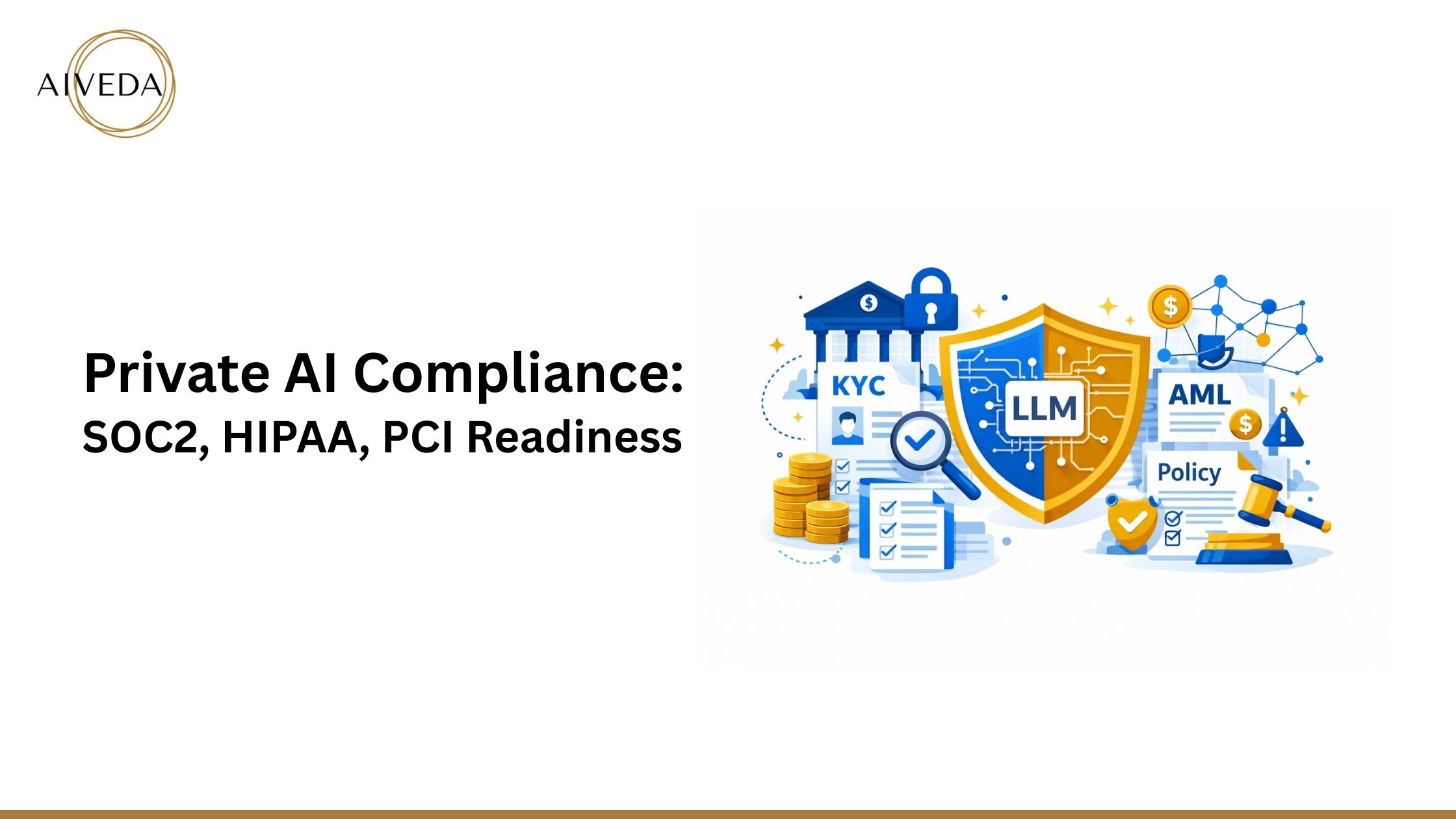
Artificial intelligence is quickly becoming a key component of business operations. Businesses are using AI to automate processes, evaluate sensitive data, and enhance decision-making in a variety of industries, including financial services, healthcare, retail, and logistics. However, private AI compliance is becoming increasingly important as AI systems are integrated into vital company infrastructure. Sensitive data, …